Coding Adventure Personalized Children's Books
Where your child becomes the hero who solves problems through logical thinking.
Introduce your child to the magic of logical thinking with personalized coding adventure stories from Leo Books. These aren't traditional computer science lessons—they're exciting narratives where your child becomes the hero who solves puzzles, helps robot friends, and discovers patterns that unlock new worlds. Through engaging storylines featuring dragons with hiccups, lost passwords, and mysterious portals, children naturally develop computational thinking skills without ever sitting in front of a screen.
Show moreShow less
Perfect for curious minds aged 3-10, our coding adventure books make abstract concepts like sequences, patterns, debugging, and algorithms feel tangible and fun. Your child's name and photo appear throughout the story as they guide robots through forgotten steps, help dragons debug their sneezes, or navigate an if/then forest where every choice matters. Parents love how these books spark conversations about problem-solving while building confidence in logical thinking—skills that extend far beyond technology into everyday life.
Each personalized book is custom-illustrated in your choice of artistic style, from whimsical watercolor to bold geometric pop art, ensuring the story matches your child's personality and interests. Whether they're tech-enthusiastic or have never heard the word "algorithm," these adventure-first narratives meet children exactly where they are, celebrating creativity, persistence, and teamwork as the real superpowers behind every solution. Give your child a story where thinking through problems becomes their greatest adventure.
Choose Your Adventure
Every story personalized with your child as the hero.
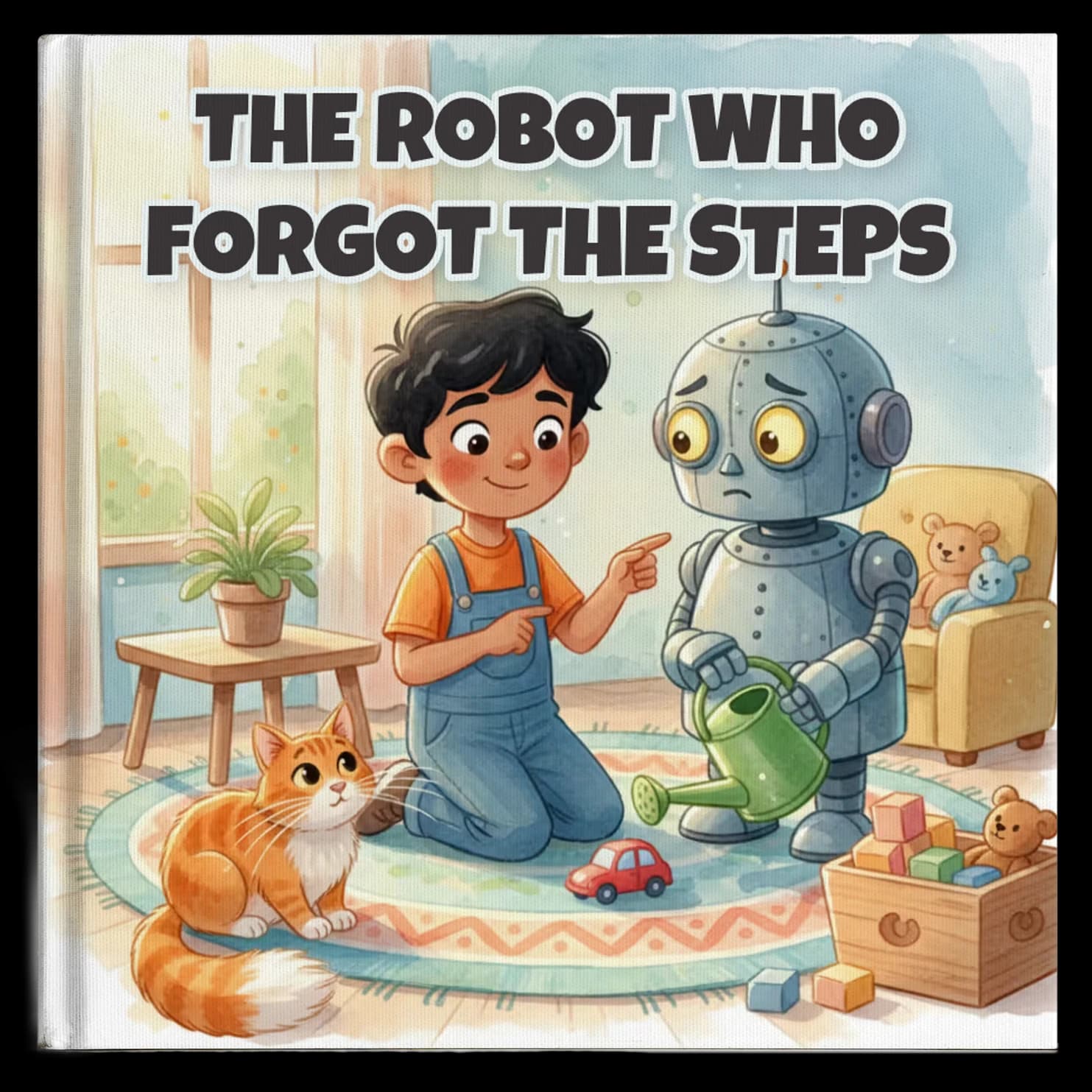
The Robot Who Forgot the Steps
A friendly robot needs help remembering the sequence to complete its tasks, and only your child can help by breaking down each step.
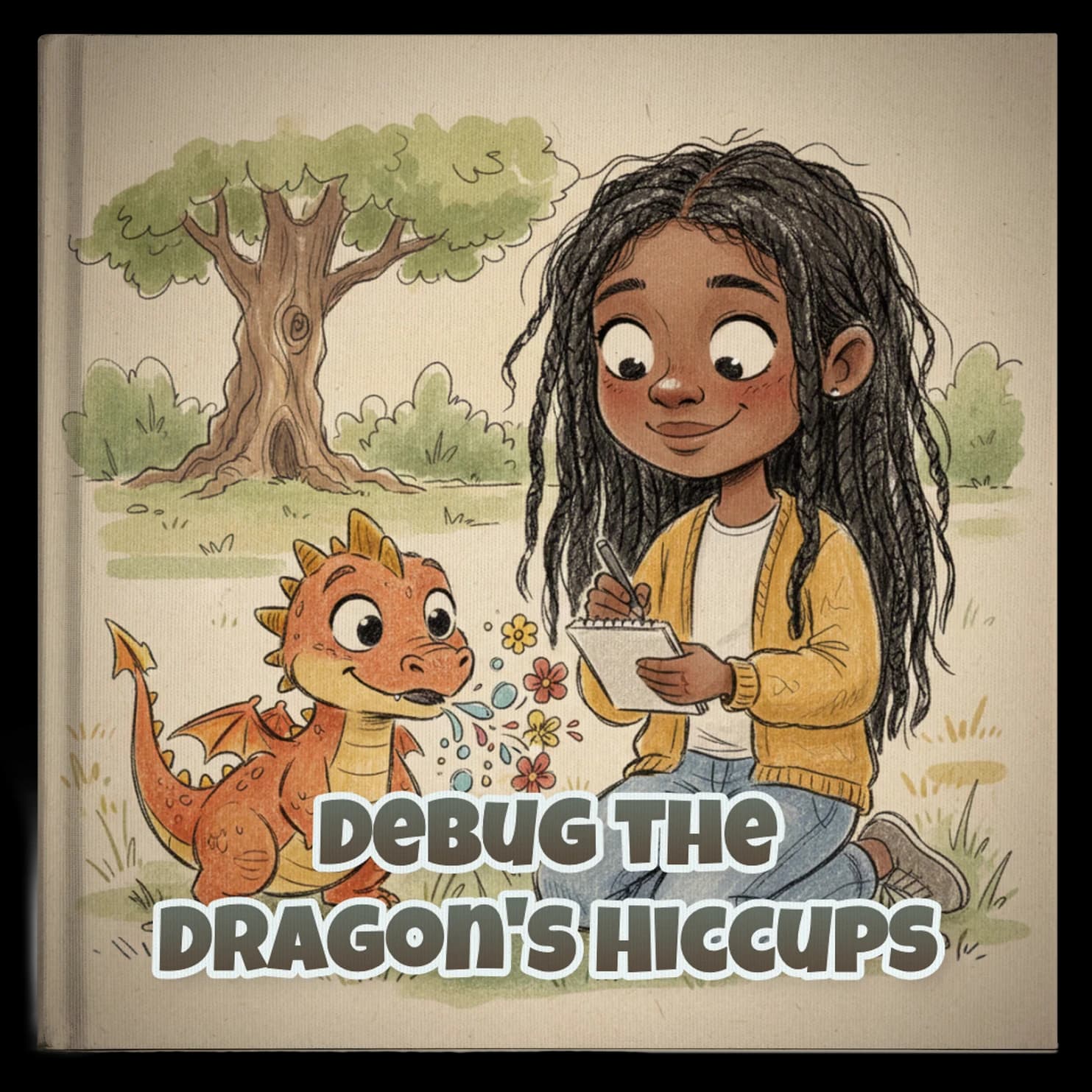
Debug the Dragon's Hiccups
A lovable dragon has mysterious hiccups that happen at odd times, and your child must identify the pattern to help solve the problem.
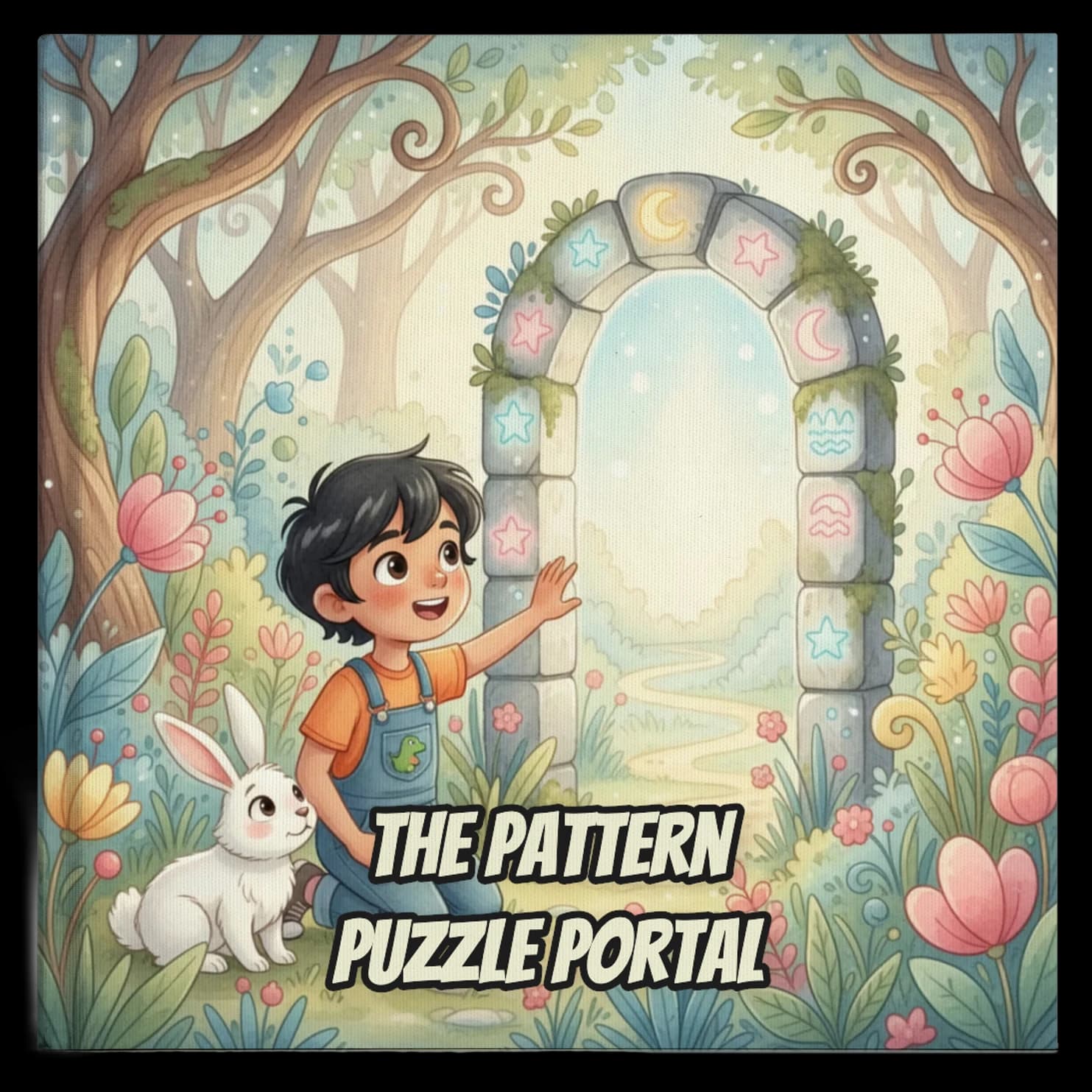
The Pattern Puzzle Portal
Your child discovers a magical portal that only opens when they solve pattern puzzles, leading to wonderful discoveries.
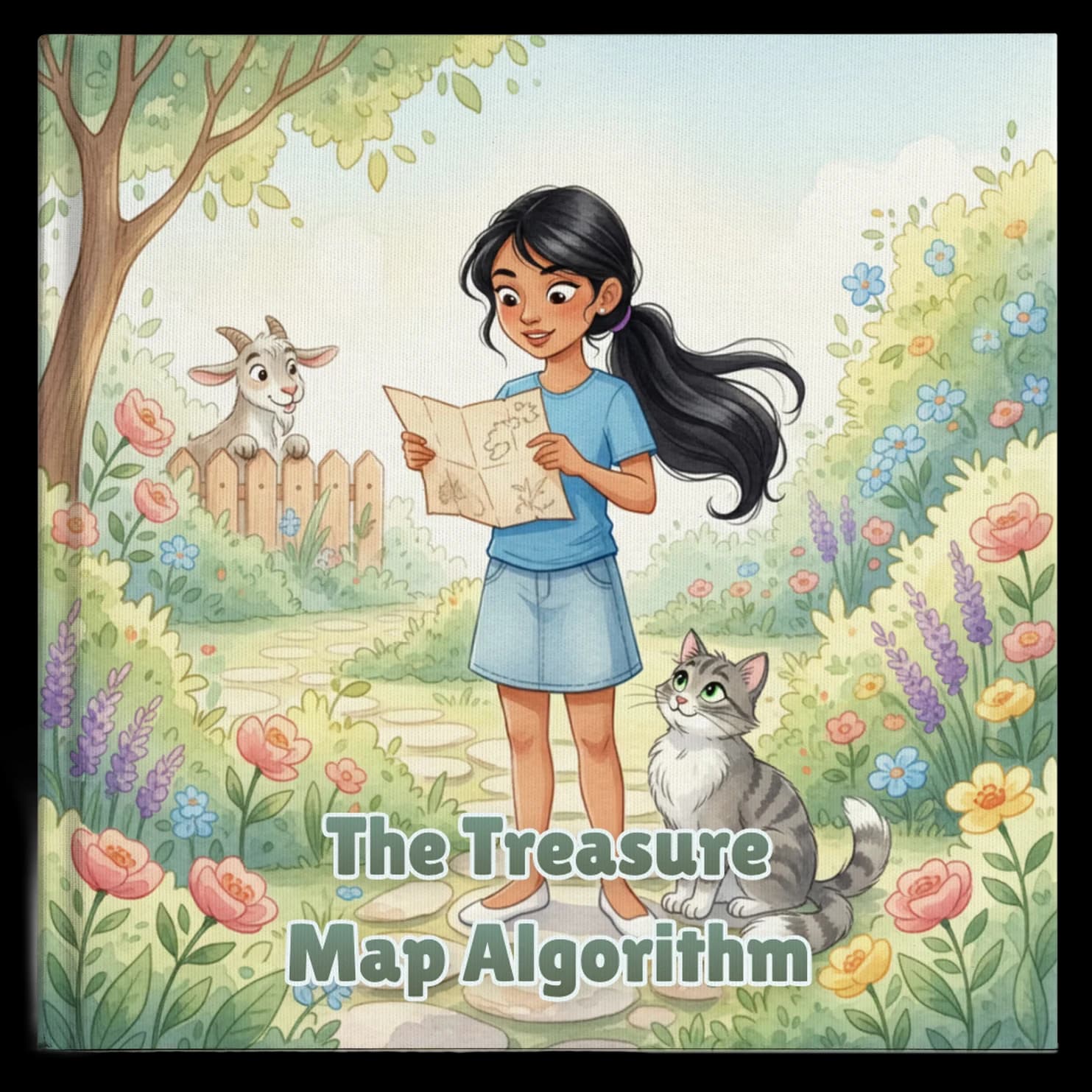
The Treasure Map Algorithm
Your child receives a treasure map with specific instructions that must be followed exactly in the right order to find the prize.
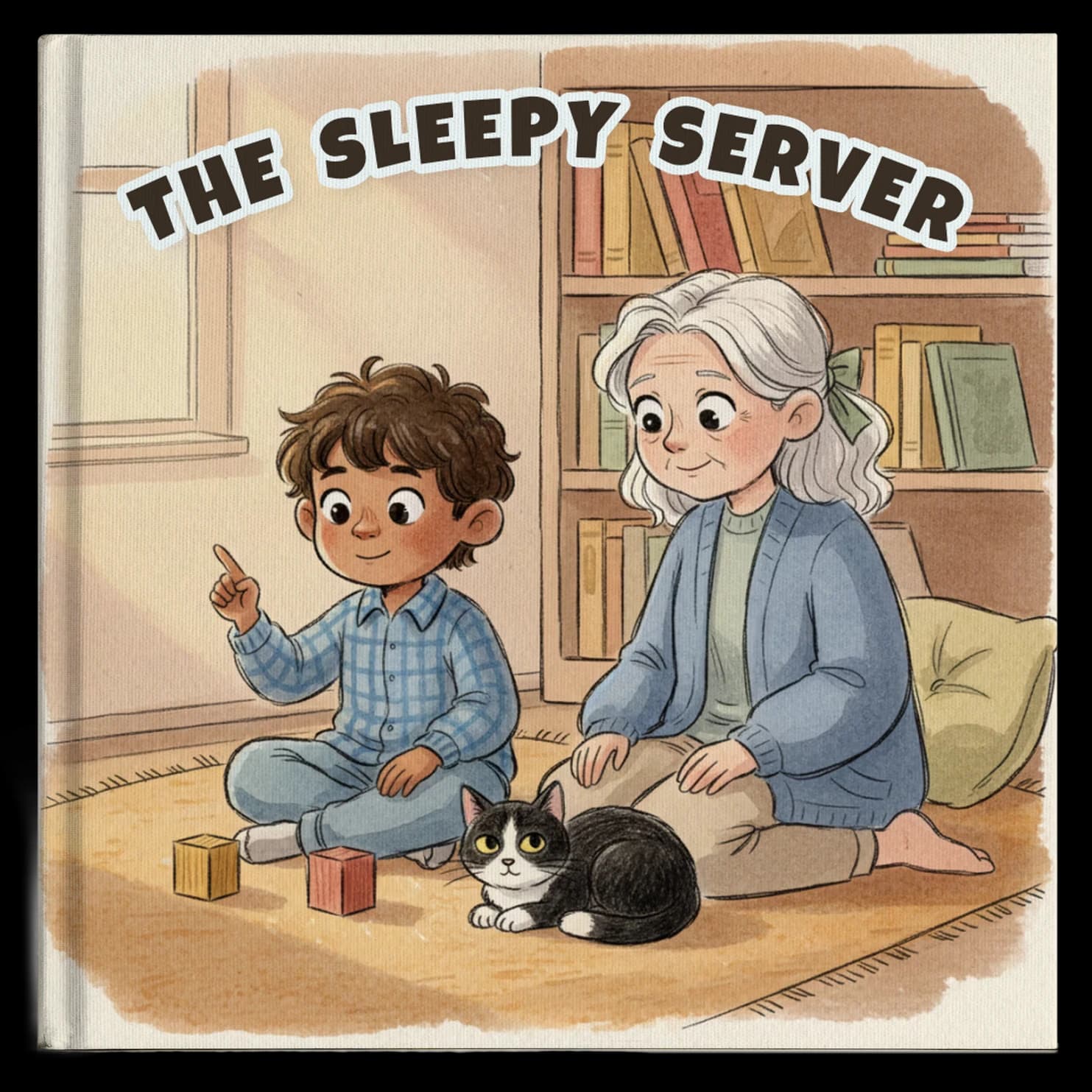
The Sleepy Server
A gentle story where a tired helper needs your child's help organizing and prioritizing tasks before bedtime.
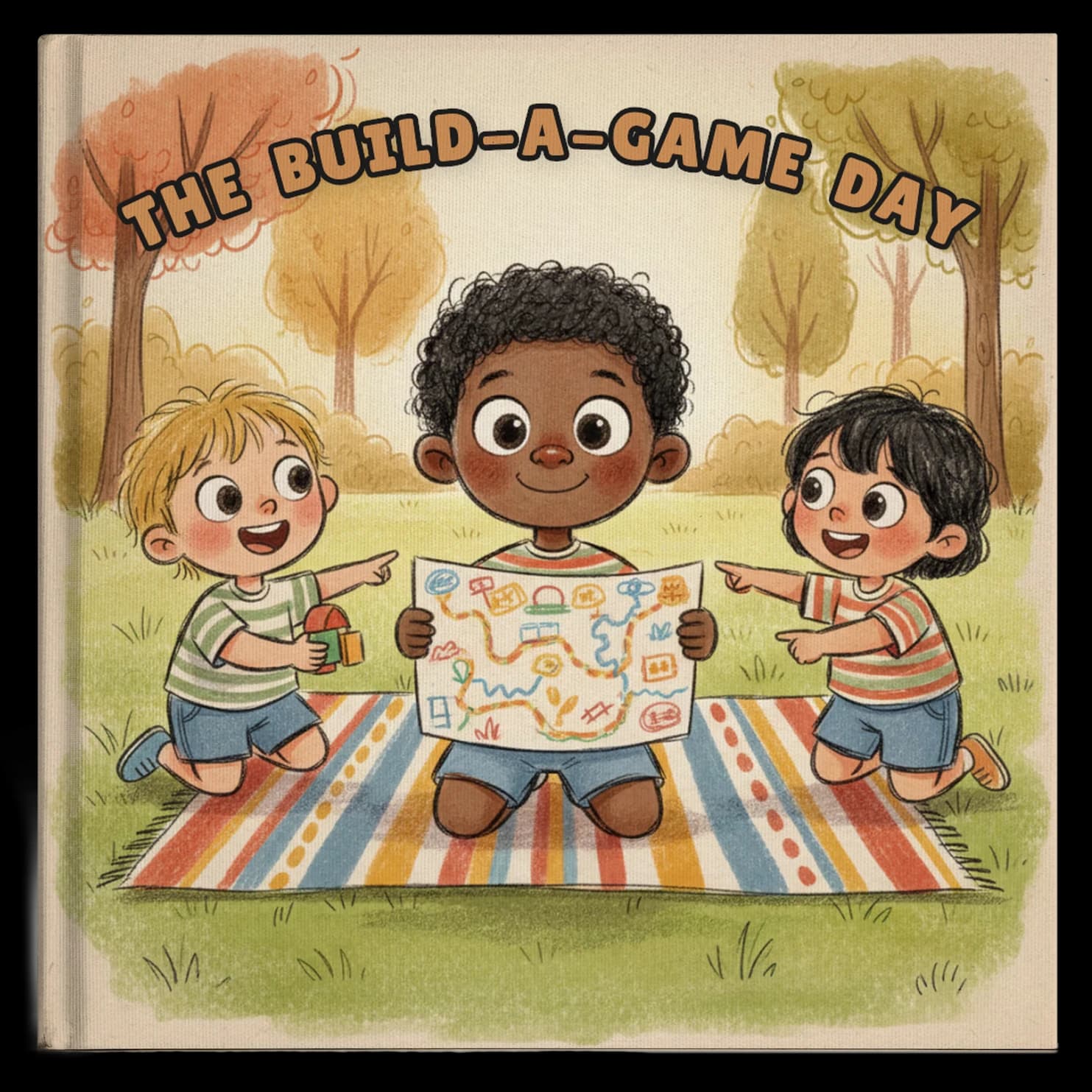
The Build-a-Game Day
Your child and friends decide to create their own game, learning that planning the rules and structure makes the game more fun.
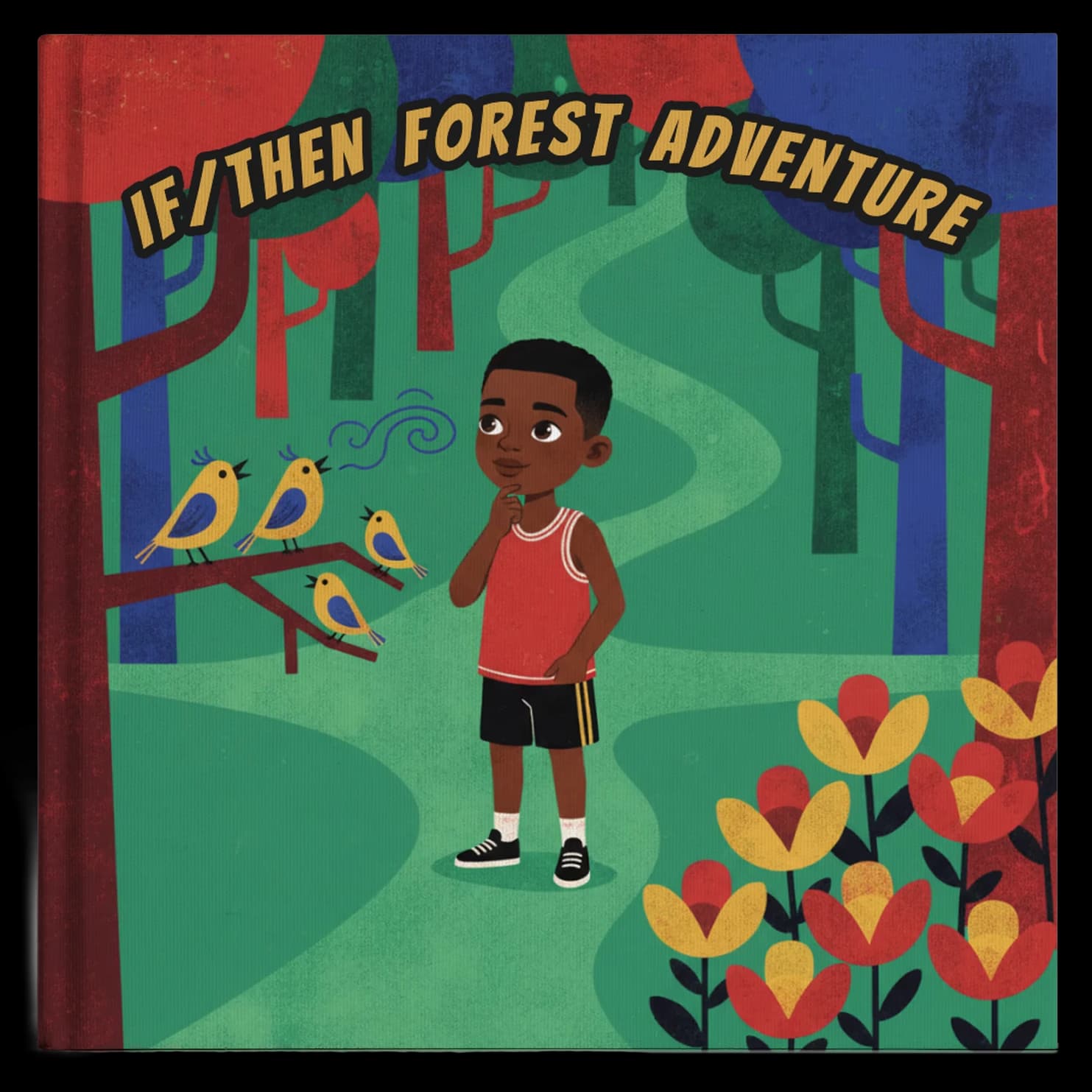
If/Then Forest Adventure
Your child explores a magical forest where every path presents a choice, and each decision leads to different wonderful outcomes.
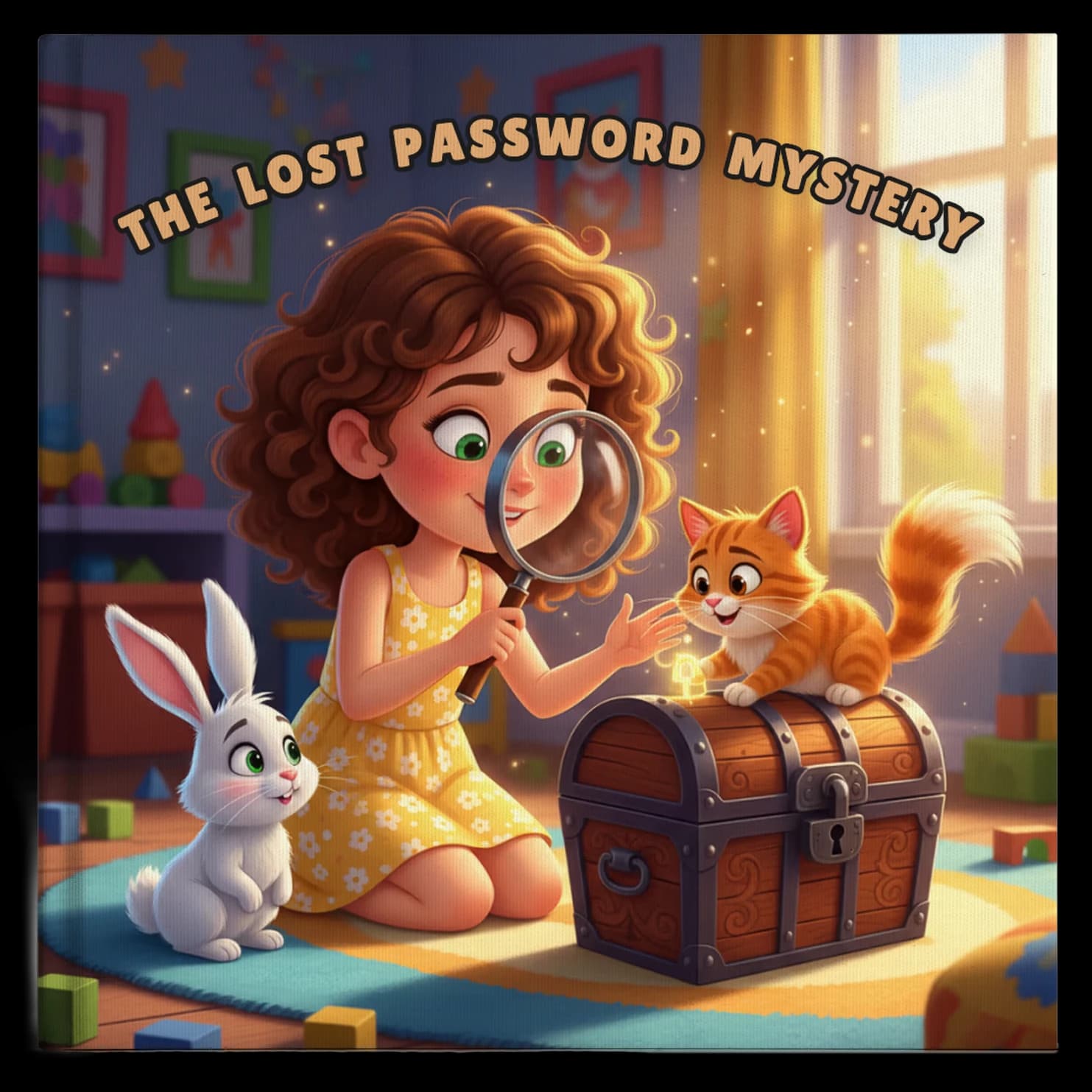
The Lost Password Mystery
A friendly character has forgotten the secret word to open their special box, and your child helps by using clues and logical thinking.
Start Your Adventure
Ready to create your coding adventure books?
Every story is personalized with your child's name, photo, and personality traits. Start for free and see your child as the hero of their own adventure.
Preview for free
Perfect for Every Age
Simple Sequences
Simple sequencing stories with clear, repetitive patterns. Focus on basic step-by-step thinking and gentle problem-solving.
Pattern Detectives
Pattern recognition and simple debugging adventures. Develops observation skills and systematic thinking.
Logic Explorers
More complex problem-solving with conditional logic and planning. Introduces algorithms and decision-making.
Computational Thinkers
Sophisticated narratives about designing systems and solving multi-step problems. Advanced logical reasoning.
Have Questions?
Frequently Asked Questions
Is this understandable for kids who don't know anything about coding?
Absolutely. Our coding adventure books are designed as story-first experiences that introduce logical thinking concepts naturally through narrative, not technical instruction. There's no jargon, no screens involved, and no prior knowledge required. Children encounter ideas like patterns, sequences, and problem-solving through relatable scenarios—helping a robot remember steps, finding treasure by following a map, or solving puzzles to open a magical portal. Parents tell us these books work beautifully even for children who've never heard the word "algorithm," because the concepts are woven into adventures that feel fun and accessible. The coding mindset is introduced through play and story, making it as natural as any other problem-solving your child does daily.
Can we tailor it for younger kids with more pictures and simpler words?
Yes, we customize content complexity based on your child's age group. For ages 3-4, stories feature larger text, more visual storytelling, simpler sentence structures, and often rhyming patterns that younger children love. The logical concepts are presented through very concrete, tangible scenarios like organizing toys in order or recognizing simple color patterns. For ages 5-6, we add slightly more detailed plots with clear step-by-step problem-solving sequences. Ages 7-10 can handle more sophisticated narratives with multiple puzzle elements and deeper cause-and-effect reasoning. During book creation, you'll select your child's age range, and we'll match the vocabulary, page length, and conceptual complexity accordingly, ensuring the story engages without overwhelming.
Can we avoid screens and tech jargon and keep it story-first?
That's exactly our approach. Coding adventure books from Leo Books are deliberately screen-free and technology-neutral. Instead of depicting computers, keyboards, or monitors, we present computational thinking through magical forests, friendly robots that look more like toys, dragons with hiccups, treasure maps, and pattern portals. The stories prioritize narrative, character, and emotional engagement—your child is the hero helping a friend, solving a mystery, or unlocking an adventure. Terms like "debug," "algorithm," or "code" might appear occasionally in titles for parent recognition, but within the story itself, we use everyday language like "finding the steps," "figuring out the pattern," or "solving the puzzle." The goal is for children to love the story and naturally absorb logical thinking, not to teach programming syntax.
Can siblings be co-coders in the story?
Definitely. When creating your book, you can choose to include siblings as collaborative characters in the adventure. For coding-themed stories, this works wonderfully—siblings can be co-detectives figuring out patterns together, fellow treasure hunters following the map, or teammates helping the robot remember steps. Including siblings reinforces the collaborative nature of problem-solving and makes the book even more special for families with multiple children. During the book creation process, simply indicate that you'd like to include a sibling, provide their name (and optionally a photo), and we'll weave them into the narrative as {childName}'s helpful partner. Many parents love this option because it turns the story into a celebration of teamwork and shows children working together to think through challenges.
Can we keep it bedtime-calm instead of high-energy?
Absolutely. During the book creation process, you can select the tone you'd prefer. For bedtime-appropriate coding adventures, we recommend stories like "The Sleepy Server" (about gentle prioritization before rest), "The Pattern Puzzle Portal" (a calming, mystery-solving tone), or "If/Then Forest Adventure" (peaceful exploration with thoughtful choices). These narratives maintain the logical thinking elements while keeping the pacing slow, the language soothing, and the scenarios free from high-stakes urgency or overstimulating action. We avoid loud robots, chaotic scenes, or frantic problem-solving. Instead, the focus is on thoughtful, methodical thinking presented in a tranquil way—perfect for winding down while still engaging your child's mind in gentle pattern recognition or step-by-step thinking. Many parents use these as the perfect bridge between active play and sleep.
What age range works best for coding adventure stories?
Coding adventure books work beautifully across ages 3-10, with content tailored to each developmental stage. Ages 3-4 benefit most from simple sequencing stories with clear, repetitive patterns—like helping a robot remember three steps or identifying color patterns to open a door. These books use rhyming text, larger fonts, and very concrete scenarios. Ages 5-6 are ready for slightly more complex problem-solving narratives involving cause-and-effect thinking, pattern completion, and basic debugging concepts (figuring out what went wrong and fixing it). Ages 7-10 can engage with more sophisticated logic, multi-step algorithms, conditional thinking (if/then scenarios), and stories that involve planning or designing solutions. We recommend choosing based on where your child is currently, not where you hope they'll be—meeting them at their level ensures they feel confident and successful, which builds genuine enthusiasm for logical thinking.
Are these books effective at teaching real computational thinking skills?
Yes, though we frame them as story-based logic development rather than formal computer science education. Computational thinking—the ability to break problems into steps, recognize patterns, test solutions, and think systematically—is valuable far beyond coding. Research shows that introducing these concepts through narrative and play helps children internalize them more deeply than direct instruction. Our stories naturally teach sequencing (doing things in order), pattern recognition (seeing what repeats or comes next), debugging (figuring out what went wrong), algorithmic thinking (following precise steps), and conditional logic (understanding choices and outcomes). Parents and educators tell us these books spark "aha moments" where children start applying logical thinking to everyday situations—organizing their morning routine, figuring out board game strategies, or working through social problems methodically. While they won't teach JavaScript, they build the foundational thinking skills that make learning any technical subject easier later.
Can we combine coding themes with other interests my child has?
Absolutely. Coding adventure books work beautifully when blended with your child's existing passions. Love dragons? "Debug the Dragon's Hiccups" combines fantasy and logic. Obsessed with treasure? "The Treasure Map Algorithm" merges adventure and sequencing. Into nature? "If/Then Forest Adventure" brings exploration and conditional thinking together. During book creation, you can also request custom story templates that weave coding concepts into your child's specific interests—perhaps a sports-themed story about creating game plays (sequencing), an art story about pattern design, or an animal story where your child helps creatures solve problems using logic. The personalization extends beyond just name and photo to encompass the thematic wrapper around the logical thinking concepts. This approach ensures your child sees problem-solving as connected to what they already love, making the skills feel relevant and exciting rather than separate or "school-like."
Do I need to be tech-savvy to read and discuss these books with my child?
Not at all. Coding adventure books are written to be parent-friendly, requiring zero technical background. The concepts are presented through universal, relatable scenarios—following a recipe, organizing toys, solving a mystery, helping a friend—that any parent can discuss naturally. You don't need to explain algorithms or debugging; instead, you're simply reading a story where the character figures out the right order to do things or notices a pattern that helps solve a problem. After reading, conversations arise naturally: "What would you do if you forgot the steps?" "Can you think of patterns we see every day?" "How did {childName} figure out what to try next?" These are everyday thinking discussions, not technical lessons. Many parents tell us they gain confidence in their own logical thinking by reading these books with their children, discovering that computational thinking is really just organized problem-solving—something we all do, whether we work in tech or not.
Ready to Begin?
Start Your Coding Adventure Today
Transform your child into a problem-solving hero with a personalized coding adventure book that builds logical thinking skills through story and play.