Moral Lessons in Classic vs. Personalized Stories
Classic stories like The Tortoise and the Hare and The Boy Who Cried Wolf have been used for centuries to teach universal moral lessons, while personalized stories, where children become the protagonist, offer a more tailored approach to addressing individual experiences. Both approaches have strengths and limitations:
- Classic Stories: Timeless themes, rich language, and shared references, but may feel outdated or less relatable to modern kids.
- Personalized Stories: Boost engagement by centering on the child’s life, making morals feel immediate and relevant, but risk being overly self-focused without proper guidance.
The best approach? A mix of both. Use personalized stories to spark interest and confidence, and classic tales to introduce broader, enduring values. This balanced strategy supports moral growth, empathy, and language development.
Classic Stories: Timeless Morals and Universal Appeal
What Makes Classic Stories Work
Classic tales resonate because they tap into shared human experiences that transcend time and place. Stories like The Tortoise and the Hare or The Boy Who Cried Wolf explore core truths about honesty, perseverance, and kindness - values that children need to navigate life, no matter where or when they grow up [3][4].
Using animals as characters makes these lessons more approachable. A clever fox, a helpful mouse, or a boastful hare allow children to evaluate choices and behaviors without feeling personally criticized [3][5]. These stories create a safe space for kids to encounter fear, anxiety, or conflict through the lens of fictional characters, helping them develop coping strategies in a non-threatening way [6].
Beyond the storytelling itself, these narratives engage the brain in fascinating ways. They activate multiple areas of the brain and trigger oxytocin release, helping children form emotional bonds with the characters [7]. This emotional engagement reinforces the moral lessons embedded in these timeless tales.
Examples of Morals in Classic Tales
Different traditions enrich the moral lessons we find in classic stories. Aesop’s fables, for example, offer gems like The Tortoise and the Hare, which teaches that consistent effort outshines arrogance, and The Ant and the Grasshopper, which highlights the importance of planning ahead [4][7]. Meanwhile, Buddhist Jataka Tales, such as The Monkey King, bring themes of selflessness and compassionate leadership [7].
What keeps these stories relevant is their ability to simplify complex ethical questions for young minds [7][1]. As the Spiritual Naturalist Society explains:
These stories have endured not because they preach, but because they present moral choices through compelling narratives that resonate on both emotional and intellectual levels [7].
While these tales succeed in delivering universal lessons, they aren’t without their challenges.
Strengths and Limitations of Classic Stories
Classic stories offer plenty of benefits. They foster cultural literacy, giving children a shared foundation of references that connects them with peers and adults alike [2]. Additionally, traditional tales often feature richer language compared to modern “easy readers.” Words like “radiant”, “humble”, or “nuisance” not only enhance vocabulary but also support academic growth [2].
However, these stories can feel distant to kids immersed in today’s fast-paced, digital world. The slower pacing and historical settings may not always resonate with modern experiences [2]. While a lion and a mouse can teach kindness, they can’t address the unique challenges or emotions a child might face today. For some young readers, particularly those who find reading difficult, the weight of these texts could even discourage engagement [2].
Personalized Stories: Tailoring Morals to Individual Children
How Personalized Stories Work
Personalized storybooks take reading to a whole new level by putting your child at the heart of the adventure. This method taps into the self-reference effect, a psychological concept where people connect more deeply with information when it relates directly to them. For kids, this means they’re not just reading - they’re living the story. A study from the University at Buffalo revealed that children aged 10–14 who read stories emphasizing moral values like fairness or loyalty later placed greater importance on those values [12]. By making the child the central character, these stories don’t just entertain - they leave a lasting impression.
Benefits of Personalization for Moral Lessons
Research shows that personalized storybooks can significantly enhance learning. After just two readings, kids show improved word recognition and give much more detailed retellings of the stories compared to traditional books [8][9][10].
Natalia Kucirkova, David Messer, and Kieron Sheehy highlighted this in their study:
“The findings revealed that, at the second and third testing points, the children showed significantly better knowledge about the words that were in the personalized sections of the books” [9].
Personalized stories also help children through specific life events. For example, books tailored to themes like loss or new beginnings - often called “Loss Books” or “Pet Books” - allow children to process emotions such as grief or the excitement of welcoming a new pet. By becoming the protagonist in these narratives, kids can navigate life’s challenges with guidance that feels personal and timely [8].
However, while personalization boosts engagement, it’s essential for parents to discuss the perspectives of other characters in the story. This helps children develop empathy, not just self-awareness [8]. Personalization works best when it mirrors a child’s real-life experiences and emotions, moving beyond simply adding their name to the text [11][8].
What Leo Books Offers
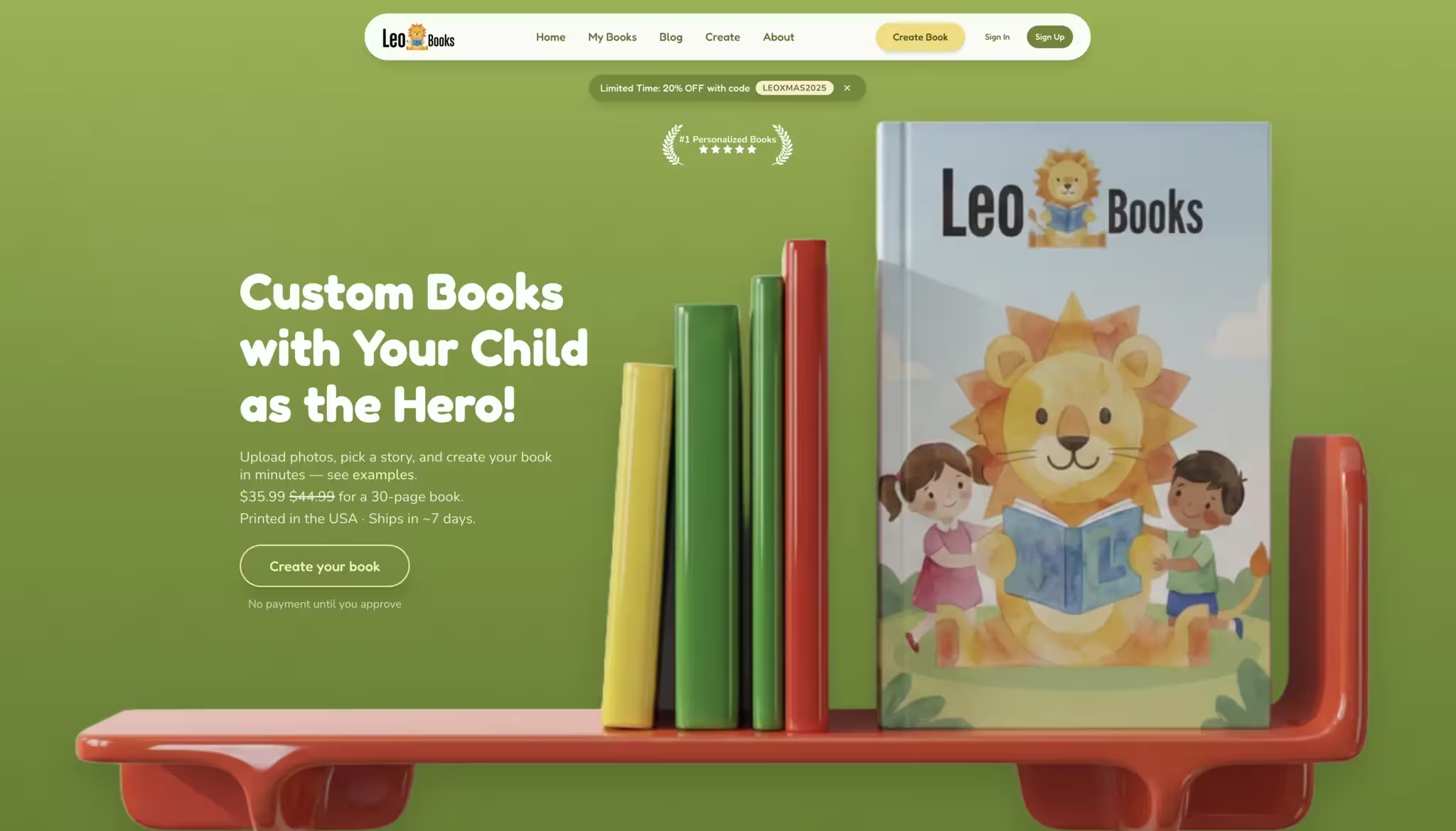
Leo Books (https://www.leo-books.com) makes creating personalized stories simple and fun. Parents can upload photos, pick artistic styles, and select story themes - or even craft custom adventures. The platform also provides an instant preview before printing. Engagement is even higher when kids are involved in the process, like choosing photos or styles for their book [8].
TOP 5 MORAL STORIES FOR KIDS | ENGLISH ANIMATED STORIES FOR KIDS | TRADITIONAL STORY | T-SERIES
Classic vs. Personalized Stories: A Comparison
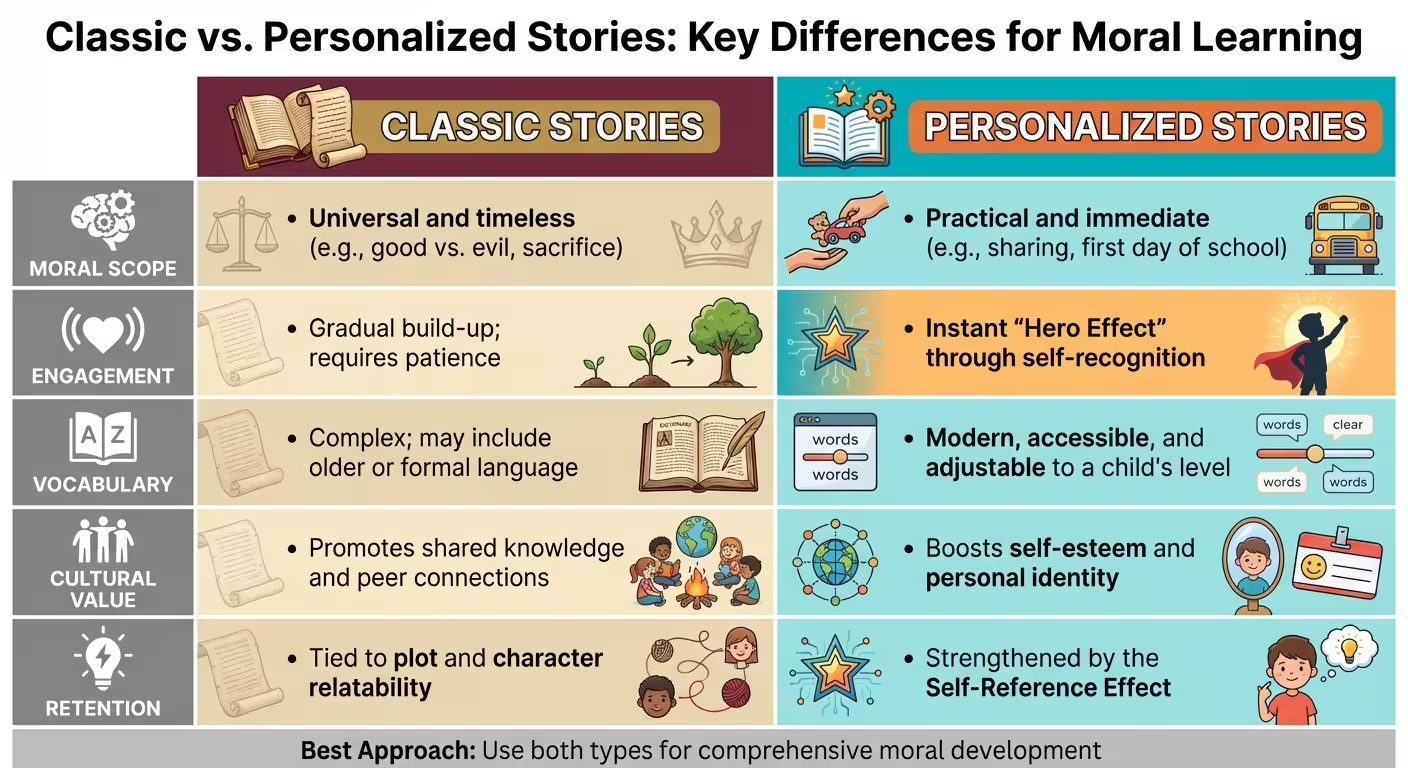
Comparison Table: Classic vs. Personalized Stories
Classic stories carry shared wisdom passed down through generations, while personalized stories connect directly to a child’s current experiences. Knowing the differences can help parents decide which type of story fits a particular situation.
| Feature | Classic Stories | Personalized Stories |
|---|---|---|
| Moral Scope | Universal and timeless (e.g., good vs. evil, sacrifice) | Practical and immediate (e.g., sharing, first day of school) |
| Engagement | Gradual build-up; requires patience | Instant “Hero Effect” through self-recognition |
| Vocabulary | Complex; may include older or formal language | Modern, accessible, and adjustable to a child’s level |
| Cultural Value | Promotes shared knowledge and peer connections | Boosts self-esteem and personal identity |
| Retention | Tied to plot and character relatability | Strengthened by the Self-Reference Effect |
Main Differences Between the Two Approaches
The table gives a quick overview, but let’s dig deeper into how each type of story influences a child’s development.
Classic stories encourage abstract thinking and nurture empathy by presenting universal themes like bravery, sacrifice, and overcoming adversity. Their rich vocabulary also supports long-term language and academic growth, which can benefit children well beyond their early years.
Personalized stories, on the other hand, leverage a child’s natural curiosity about themselves to make lessons feel directly relevant. For children of color, these stories can be especially meaningful, addressing what researchers describe as the “zero image of oneself” often found in older classic literature. This term refers to the lack of representation many children experience in traditional texts. However, it’s worth noting that personalization alone isn’t a magic solution. A 2021 study in the Early Childhood Education Journal revealed that simply inserting a child’s name into a story didn’t necessarily improve moral understanding - like learning to share - compared to thoughtfully written, non-personalized books [10]. The quality of the narrative still matters most.
The real advantage lies in combining both types of stories. Personalized stories can act as a gateway for reluctant readers, drawing them in by making them the hero. Once engaged, children may feel more confident tackling the complex themes and nuanced characters found in classic literature. Parents can further enhance this experience by discussing other characters’ perspectives, even within personalized stories, to balance self-focus with empathy-building.
Conclusion: Choosing the Right Approach for Your Child
There’s no one-size-fits-all solution when it comes to moral education through storytelling. A thoughtful mix of classic and personalized stories can cater to both immediate emotional needs and broader developmental goals.
To put this into practice, try a structured reading routine that incorporates both styles. One idea is the “Sandwich Method”: begin with a personalized story to spark your child’s interest, follow it up with a classic story to build vocabulary and introduce universal themes, and round things off with another personalized or audio story for a comforting end. This approach not only supports language development through classic tales but also fosters confidence and emotional connection through personalized narratives. When selecting personalized stories, focus on platforms that prioritize well-written, coherent stories over simple customization [2].
For example, Leo Books (https://leo-books.com) offers personalized storybooks where your child, along with their favorite toy or pet, becomes the hero of the tale. You can upload photos, choose artistic styles, and create unique adventures that come to life as beautifully illustrated hardcover books - perfect for keepsakes.
FAQs
What age group benefits most from classic moral stories?
Classic moral stories work best for kids between the ages of 3 and 7, particularly when it comes to teaching honesty and encouraging positive social behaviors. That said, their effectiveness can depend on how engaging or relatable the story is, as children are more likely to connect with tales that spark their interest or feel relevant to them.
How do I keep personalized stories from feeling too self-focused?
When crafting personalized stories for children, it’s important to avoid making them feel overly self-focused. Instead, incorporate broader themes like kindness, empathy, and sharing. These values can be naturally woven into the narrative, blending seamlessly with the story’s context. By balancing personal elements with lessons about social interactions and community, the story can keep kids entertained while subtly teaching them meaningful life skills.
How often should we mix classic and personalized stories?
Blending timeless stories with personalized ones creates a powerful mix for teaching and inspiring kids. Classic tales carry lessons on values like honesty and bravery that have stood the test of time. On the other hand, personalized books - like those from Leo Books - draw children in by placing them at the heart of the story. Alternating between these two types of stories, or even combining them, can provide a rich reading experience that nurtures self-esteem, emotional development, and an understanding of broader traditions and ideas.