Ultimate Guide to Everyday Storytelling for Kids
Everyday moments - like grocery trips, bedtime routines, or scraped knees - can become engaging stories for kids. Storytelling helps children develop language skills, imagination, and self-confidence. Here’s how you can turn ordinary experiences into fun narratives:
- Daily life as inspiration: Transform routines into adventures, like making a grocery run a treasure hunt or folding laundry a superhero mission.
- Outdoor ideas: Use nature walks or outings to spark tales about secret squirrel societies or mysterious trails.
- Family events: Reimagine birthdays or reunions with creative twists, like magical gifts or legendary family histories.
- Storytelling tips: Use familiar characters, props, and simple structures (beginning, middle, end) to keep stories relatable and fun.
- Keepsake books: Platforms like Leo Books let you turn these stories into personalized, illustrated books starring your child.
Storytelling strengthens emotional bonds and boosts literacy. Start small - everyday moments are full of storytelling potential.
A Hero Like You | A story about everyday heros
Finding Story Ideas in Everyday Life
Everyday life is brimming with untapped story ideas. Writer Nora Ephron once said, “Everything is copy.” [4] Instead of wondering if a moment is interesting enough for a story, ask questions like, “What if?” or “What’s beneath this moment?” This shift in perspective can turn the seemingly ordinary into a wellspring of inspiration.
You don’t need dramatic events to craft engaging narratives. The small details you notice - like a snippet of conversation at the coffee shop or the way someone ties their shoelaces - can spark entire stories. Keep a notes app handy to jot down these moments. A barista’s doodle on a coffee cup or how a neighbor juggles multiple dog leashes might seem trivial now, but they could become the seeds of a future story. Everyday life, from routines to outings, is full of opportunities to unlock creativity.
Using Daily Routines as Story Settings
Daily routines provide a natural framework for storytelling. Waking up, getting ready, eating breakfast, or running errands all have a beginning, middle, and end. With a little imagination, these mundane activities can become the backdrop for exciting tales. For instance, searching for tortillas in the grocery store could be reimagined as a daring treasure hunt. Your child becomes the hero, and the supermarket transforms into a labyrinth of mystery.
Repetitive tasks are especially great for sparking creative ideas. Folding laundry? Picture a superhero who folds clothes at the speed of light. Cooking dinner? Imagine a chef battling mythical creatures to gather magical ingredients. These mental exercises not only make tedious chores more enjoyable but also generate fresh story ideas. You can even use props like “Story Stones” (painted with images of animals or objects) to create random characters and settings, turning quiet moments into creative brainstorming sessions.
Drawing Inspiration from Nature and Outings
Spending time outdoors can ignite your imagination. A simple walk in the park might lead to stories about squirrels with their own secret society, a mysterious trail that opens into another world, or a red truck that seems to be following you because you hold a secret map. The trick is to focus on sensory details - colors, textures, sounds, and smells - that help bring these imagined worlds to life.
One fun technique is “Photo Flip.” Let your child scroll through photos from recent outings with their eyes closed and stop on a random image. That picture can inspire a brand-new story. Another idea is to create a “Secret Bag” filled with objects like an unusual rock, a fallen leaf, or a lost button. Each item becomes a starting point for an imaginative tale. These simple exercises transform observation into creativity and make storytelling feel like play.
Turning Family Events into Adventures
Family celebrations and gatherings are goldmines for storytelling. Birthdays, holidays, and reunions can all be reimagined with a creative twist. What if a birthday gift from a long-lost relative changes your life forever? Or what if wearing a Halloween costume actually turns you into that character for a night?
Family history is another treasure trove of ideas. Interview older relatives about their lives and turn their memories into epic adventures. Maybe your great-grandparent’s childhood becomes the setting for a legendary tale. These stories not only entertain but also build a sense of connection and identity for your child.
Techniques to Make Everyday Stories Engaging
Once you’ve spotted story ideas in daily life, the challenge is to make them captivating. By grounding your tales in the familiar and adding a touch of imagination, you can transform ordinary moments into unforgettable adventures. Here are some practical ways to bring your stories to life.
Creating Characters Based on Family Members
Some of the most relatable characters are those your child already knows. A fun way to start is by turning family members into story heroes. Try the Photo Flip method: pick a familiar face from a photo and imagine them as the central character in a story [1]. You can also gather inspiration through family interviews. Ask questions like “What was your first memory?” or “Who was your favorite teacher?” to uncover details that can shape unique characters [3].
Another great idea is reimagining a favorite book with familiar faces. For instance, if your child enjoys “If You Give a Mouse a Cookie”, create a version where the mouse is replaced by a sibling, grandparent, or even a pet. This technique, called character swapping, makes the story instantly engaging through recognition. For younger kids, crafting first-person narratives where they face “villains” like a tricky homework problem or a dentist visit can be especially fun and relatable [3].
Using Props and Toys for Storytelling
Objects can bring a story to life in surprising ways. Everyday household items - like spoons, socks, or cardboard - can transform into knights, puppets, or castles [6][7].
For a creative boost, try “Object Roulette.” Lay out five random items, such as a key, a crayon, a button, a whistle, and a rock, then challenge your child to weave them into a story [7][8]. Another idea is to make “Story Stones” by painting simple images (like animals or objects) on rocks. Let your child draw a few from a bag to inspire characters or plot twists. And if they declare, “This spoon is a rocket!” respond with a quick “Yes, and…” to keep the momentum going [6]. These prompts not only ignite creativity but also build confidence as your child shapes their own tales.
Retelling Daily Events as Quests or Mysteries
Routines can become thrilling adventures with a little reframing. For example, a trip to the supermarket turns into “The Quest for the Tortillas”, where your child becomes the Lead Explorer navigating a maze of aisles [2]. Tidying up a room can transform into a mystery: “I never thought I’d find THIS hiding under my bed…” [3]. Even a dentist visit can become a bravery tale, casting your child as a fearless hero.
To make these moments even more engaging, apply a simple plot structure: a beginning, challenges, a climax, and a resolution [10]. Assign roles like “Master Detective” during chores or errands to keep things interactive [9][2]. You can even use a household item, like a hairbrush, as a “microphone” to take turns adding twists to a story about the day’s events [1]. By turning the mundane into epic quests or mysteries, you’ll create stories that your child will remember and love to retell.

Structuring Stories for Kids
A well-structured story acts as a roadmap for young readers. Following a clear beginning, middle, and end aligns with how children naturally process stories. Start by introducing the main character, their goal, and the obstacle in their way. This is where the “Story Jigsaw” method comes into play, helping to piece together these essential elements seamlessly [13].
The middle of the story should build tension with rising challenges. A great way to do this is by using the Rule of Three: let your character face three increasingly difficult obstacles [11][12]. This progression keeps kids hooked, rooting for the protagonist to overcome each hurdle.
The ending is where the problem gets resolved, and it’s crucial that the character solves it themselves. No grown-ups swooping in for a last-minute rescue! As one children’s writing guide emphasizes:
“Your child character MUST solve the problem themselves. They cannot have anyone else, especially a grown-up, do it for them” [11].
After the climax, wrap up with a resolution that shows how the character has grown or changed. Take Where the Wild Things Are as an example: Max’s journey concludes when he realizes he wants to be “where someone loves him best of all”, leading him back home to a warm dinner [14]. Grounding the story in relatable moments like this ensures it’s engaging and easy for kids to follow.
Simplifying Plot Development for Young Readers
Clarity is key. Introduce the main problem within the first 50 words [11]. A strong opening sentence should immediately set the tone or dive into the action. Instead of lengthy descriptions, use sensory details to bring scenes to life - like describing a scared character’s mouth tasting like “dry cement” or the fresh scent of grass after rain [13].
Stick to one or two main characters to avoid overwhelming the reader. As the story unfolds, make sure the challenges are relatable for kids - things like being teased, losing a cherished toy, or missing out on playtime. Including a moment where the character feels like all hope is lost makes their eventual triumph even more satisfying.
Adding Fun Twists and Details
Unexpected twists keep young readers engaged. Try adding a mid-story surprise, like a hidden talent or an unforeseen setback [15]. Characters with quirky, contradictory traits also stick in readers’ minds - think of a cat that loves baths, a superhero afraid of heights, or a princess who lives in a cave [15].
If you’re stuck, ask yourself, “What’s the last thing a reader would expect to happen here?” Then let that unexpected event unfold [5][15]. Use dialogue sparingly but effectively - short, punchy exchanges can add personality without slowing things down [13]. A twist ending can leave a lasting impression [13]. With this structure in place, your story is primed for exciting details and surprises that will captivate young readers.
Turning Stories into Keepsake Books
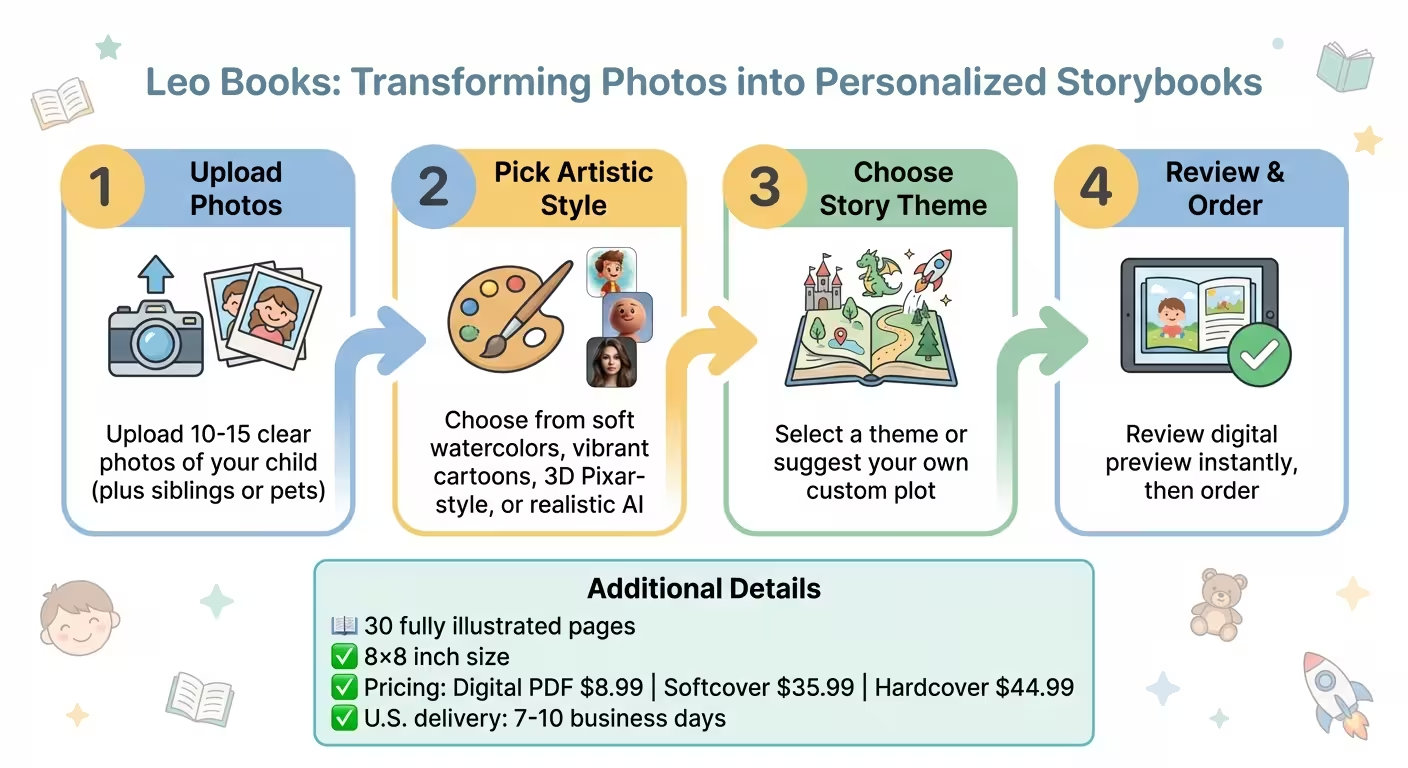
Transform everyday moments into storybooks that preserve memories and celebrate your child’s life [17]. A personalized book does more than tell a story - it shows your child that their adventures are worth sharing. With visual storytelling gaining popularity, parents are looking for meaningful ways to capture their children’s unique personalities and experiences. Turning these moments into beautifully crafted keepsakes ensures those memories last a lifetime. Let’s explore how Leo Books makes this process simple and fun.
How Leo Books Makes Storytelling Easy
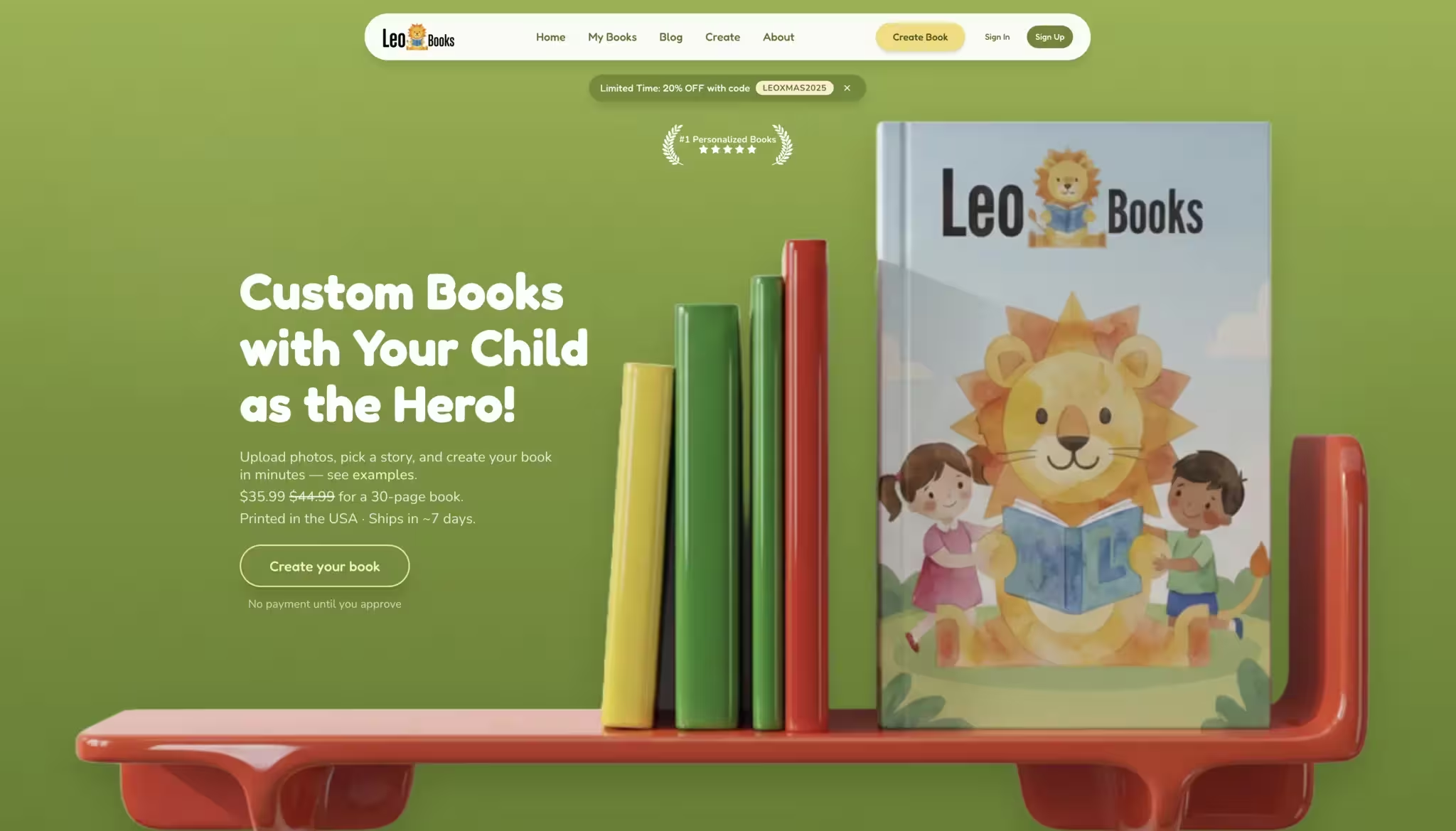
Leo Books uses AI technology to turn your photos into a 30-page storybook starring your child as the main character. The process is straightforward and involves just four steps:
- Upload 10–15 clear photos of your child (and optionally, their siblings or pets).
- Pick an artistic style that suits your story.
- Choose a story theme or suggest your own custom plot.
- Review a digital preview instantly.
One standout feature is the “page-level regeneration” tool, which allows you to adjust individual illustrations without altering the rest of the book. Before printing, in-house artists carefully review each book to ensure high quality [16].
You can personalize the story with real-life details, like a favorite teddy bear, a beloved pet, or special locations such as Disney World or Yellowstone. The books measure 8x8 inches and include 30 fully illustrated pages [16]. Pricing starts at $8.99 for a digital PDF version, while softcover and hardcover editions are available for $35.99 and $44.99, respectively. Printed books for U.S. customers typically arrive within 7 to 10 business days, and discounted reprints are priced at $36 for softcover and $46 for hardcover [16]. Rest assured, your photos are encrypted during upload and used only for creating the book - they’re not stored permanently.
Margaret H., a grandmother, shared her experience:
“Made a book about our family trip to Yellowstone with all three grandkids AND their golden retriever Max. They keep pointing at the pages saying ‘There’s Max chasing the butterflies!’ Absolute treasure” [16].
Choosing Artistic Styles to Match Your Story
The illustration style you select sets the tone for your story. Here are some options to consider:
- Soft watercolors: Perfect for bedtime stories or heartwarming family moments.
- Vibrant cartoons: Great for action-packed adventures or funny, energetic tales.
- 3D style: Adds a cinematic feel, ideal for magical quests or epic journeys.
- Realistic AI: Captures your child’s unique features with lifelike accuracy, making it perfect for stories inspired by real-life events.
Choosing the right style helps bring your story to life. For example, a story about the first day of school might benefit from realistic illustrations of a classroom, while a fantasy tale about toy dinosaurs exploring space would shine with bold, imaginative artwork. Sarah T., a mom of twins, shared:
“My boys wanted their stuffed dinosaurs to be in the story with them. Now T-Rex and Spike go on space adventures with the twins every night at bedtime” [16].
With the right artistic touch, your personalized book becomes a one-of-a-kind treasure.
Creating Memorable Gifts for Your Child
A personalized hardcover book turns everyday moments into cherished milestones. You can make it even more special by adding a heartfelt dedication on the first page - an ideal touch for birthdays, holidays, or celebrating achievements like losing a first tooth or starting school.
For big transitions, introducing the book 1–2 weeks in advance can be helpful. If your child feels nervous about starting kindergarten, a story where they’re the hero navigating a classroom can provide reassurance and familiarity. The consistent character illustrations, where your child looks the same on every page, add a sense of comfort and recognition for young readers.
Conclusion: Start Your Everyday Storytelling Journey
Every moment with your child can become a story - from the morning scramble to get ready for school to weekend adventures at the park or even the nightly bedtime routine. These everyday stories do more than just entertain; they help expand your child’s vocabulary, nurture emotional understanding, and lay the groundwork for literacy. Studies highlight that children whose parents recount daily events often develop stronger narrative abilities and a deeper grasp of emotions [19].
Incorporating storytelling into your day is easier than you might think. Ordinary moments - like car rides, bath time, or even folding laundry - naturally inspire those “What if?” scenarios without requiring any elaborate preparation [4]. As Olivia Corbin-Phillip, a storyteller and consultant, explains:
“Giving children the ability to communicate and the tools they need to begin understanding the complexity of being human are the greatest gifts we can give them” [18].
For a way to preserve these precious stories, consider turning them into tangible keepsakes with Leo Books. This platform transforms your oral tales into beautifully illustrated hardcover books. Simply upload photos of your child, select an art style that fits your story, and watch your everyday adventures come to life on the page. These personalized books not only celebrate your child’s experiences but also create cherished family mementos.
Research also suggests that knowing family stories strengthens a child’s sense of identity and their ability to navigate challenges [19]. By making storytelling a part of your routine, you’re doing more than fostering literacy - you’re creating a legacy of shared memories and emotional bonds that grow deeper with each retelling. These moments, captured forever, become a foundation for both personal growth and enduring family connection.
FAQs
How can I make storytelling a fun part of my daily routine with my child?
Incorporating storytelling into your daily life can be both easy and enjoyable. Start by weaving stories from everyday moments - share a cherished family memory, recount a funny incident, or even create a tale inspired by something your child experienced that day. Adding these personal details makes the storytelling feel more special and engaging.
You could also dedicate specific times for storytelling, like during dinner or bedtime. A fun idea is to jot down prompts or memories on slips of paper, then pick one together and let your imaginations run wild. To make it even more interactive, try acting out the stories using toys, props, or costumes. These little touches can turn a simple story into an exciting adventure for your child.
By making storytelling a regular habit, you’re not only sparking creativity and improving language skills but also strengthening your connection with your child - all while having a great time together.
How can I make everyday stories more exciting and fun for my kids?
To make everyday moments more fun and engaging for kids, try encouraging them to share their own experiences, like a trip to the park or a funny moment at school. Then, take those moments to the next level by asking playful questions like, “What if a talking squirrel joined you at the park?” or “What if your school turned out to be a secret castle?” These little twists can spark their imagination and turn simple memories into exciting tales.
You can make storytelling even more interactive by using props, acting out scenes, or drawing pictures together. Another way to inspire creativity is with fun prompts, like imagining a dog who’s obsessed with pizza or a magical backpack that talks. Keeping a small journal of daily moments can also help them see the magic in everyday life and turn ordinary events into whimsical adventures.
The trick is to keep things curious, playful, and collaborative. This not only makes storytelling enjoyable but also helps kids build their imagination and confidence!
What are the benefits of creating personalized storybooks for my child?
Turning your child into the star of their own storybook can make reading a whole new adventure. When they see their name, photos, or favorite themes woven into a tale, it grabs their attention and makes the experience more exciting and relatable. This personal connection not only gets them hooked on reading but also gives their confidence a nice boost.
Beyond the fun, personalized storybooks can help build crucial early literacy skills. They introduce new vocabulary, improve comprehension, and spark creative thinking - all while keeping the experience enjoyable. Plus, these books often become treasured keepsakes, filled with memories that strengthen family connections. They’re more than just stories; they’re a way to make reading empowering and unforgettable for your child.